 Nightjar
How to sleep on a plane: earplugs, masking and cabin noise
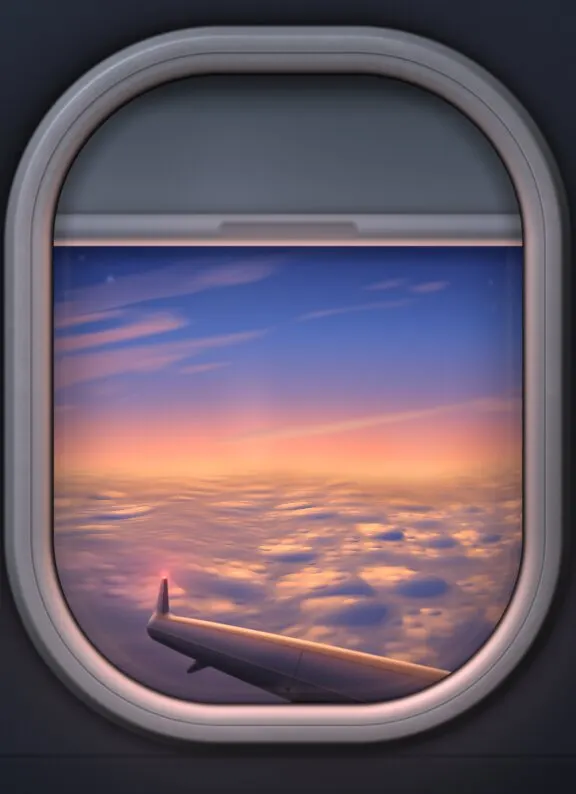
Sleep, aeroplane, 60 min
That was the two-minute preview, the same the app gives without Plus. The whole track plays in Nightjar, with the screen off and a timer that fades it out.
Coming soon to iPhoneHow loud a cabin really is
A plane is a noisy place to sleep. In a 2018 study, researchers measured sound on 200 commercial flights. Mean levels across flight phases and aircraft ranged from about 38 to over 110 dBA, with a median of 83.5 dBA, and seats near the engines were louder. A few flights exceeded the 85 dBA eight-hour limit that US occupational safety bodies recommend.
For comparison, the NIDCD says long or repeated exposure at or above 85 dBA can cause hearing loss, and normal conversation is around 60 to 70 dBA. So the cabin is already close to the level where hearing experts start to worry, before you add anything of your own.
Step one: take noise away
This is where to put your effort:
- Earplugs. Soft foam, rolled thin and allowed to expand. The Sleep Foundation recommends earplugs or noise-cancelling headphones to block noise from other passengers and the aircraft.
- Noise-cancelling headphones. They are particularly good at the steady low drone of engines. Their real gift is that anything you play can be much quieter.
- Seat choice. The Sleep Foundation notes a window seat gives you something to lean on, and seats over the wings in the middle of the plane may be less bumpy. Away from the galley and toilets is quieter.
Step two: add a low sound, if you like
Over earplugs or noise cancelling, a quiet, steady sound covers what is left: voices, trolleys, the chime of the seat-belt sign. The Sleep Foundation notes that playing music through headphones may also help you relax.
- Steady and low-pitched. Brown noise, or a cabin-like hum, blends with the engine’s drone instead of fighting it.
- Familiar. The sound you use at home makes a strange place a little more ordinary.
- Low. The rule that matters: never turn it up to beat the engines. The WHO and ITU standard for safe listening devices uses 80 dB for 40 hours a week as the adult reference; a long-haul flight with loud headphones uses a lot of that.
Press play above for Window Seat: the steady hum of an aeroplane cabin at cruise, engine drone and air rushing past, with no beat. It sounds odd to play a plane on a plane, but a steady cabin sound blends with the real one and covers the bits that are not steady. The aeroplane cabin on its own does the same at home.
The rest of the kit
- An eye mask. The Sleep Foundation suggests one to block light from windows and overhead lamps.
- No nightcap. Alcohol can disrupt sleep and affect night-time breathing, the Sleep Foundation warns.
- Layers. Cabins swing between warm and cool.
- A timer, or none. On a flight the noise lasts all the way, so a sound that fades after half an hour leaves you with the cabin. Keep it low and let it run.
Plan the volume before you sleep
Set the level when you are awake and settled, at cruise, with earplugs or noise cancelling on. Turn it up only until voices blur, then stop. Then turn on any volume limit your phone has. The safe listening time calculator shows how quickly louder levels add up over a long flight, and sleeping in AirPods covers battery life on a long haul.
Where Nightjar helps, and where it doesn’t
A volume cap is on by default, and Nightjar is not for infants. Nightjar makes its sound live on the iPhone: none of it is a recording and none of it loops. So a cabin hum played for eleven hours has no loop to find. The sleep timer runs from 5 minutes to 10 hours, or Likely asleep, or Keep playing, and the sound fades out gently.
Nightjar cannot make a cabin quiet. Earplugs and noise cancelling do most of the work on a plane, and sound on top is optional comfort. If you only bring one thing, bring earplugs.
Sources
- Zevitas and colleagues, Assessment of noise in the airplane cabin environment, Journal of Exposure Science and Environmental Epidemiology, 2018
- Sleep Foundation, How to Sleep on a Plane: Tips for Better In-Flight Rest (updated 6 November 2026)
- NIDCD (NIH), Noise-Induced Hearing Loss (updated 16 April 2025)
- WHO and ITU, Safe listening devices and systems: a WHO-ITU standard (H.870), 2019
Last checked 13 November 2026.
Questions
How loud is it inside a plane?
A 2018 study measured sound on 200 flights: levels ranged from under 40 to over 110 dBA depending on the phase of flight and the seat, with a median of 83.5 dBA. Seats near the engines were louder.
Are noise-cancelling headphones better than earplugs on a plane?
Both work. Noise cancelling is especially good at the steady low drone of engines, and lets you listen at a lower volume. Foam earplugs are cheap, light and fine for sleeping on your side. Some people wear both.
Is it safe to play white noise on a long flight?
At a low level, over earplugs or noise cancelling, yes. The risk comes from turning sound up to compete with the cabin for hours, which adds to an already loud exposure.